
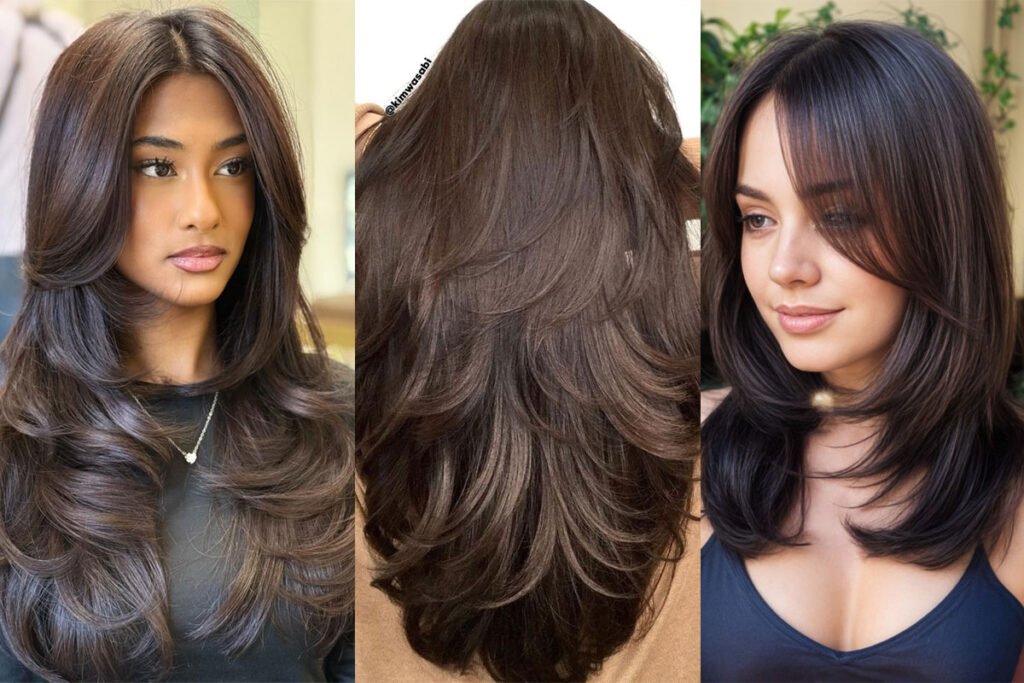
Layered Hairstyles: Expert Tips, Trends, and Styling Guide for 2026https://www.kapilssalon.com/top-haircut-trends-to-try-before-2026-begins/
Layered hairstyles continue to dominate the beauty, fashion, and hairstyling industry in 2026—and for good reason. Layers have the unique ability to transform hair by adding movement, depth, softness, and volume without compromising length. Whether your hair is long, medium, or short, the right layered cut can instantly refresh your overall appearance and make your hairstyle look lighter, bouncier, and more modern.
From soft, subtle layers to bold, dramatic ones, this versatile haircut suits almost every face shape and hair texture. In this complete guide, you’ll learn everything about layered hairstyles — including expert cutting techniques, styling tips, hair-type–based recommendations, face-shape suggestions, and essential maintenance practices. Whether you’re seeking a fresh makeover or simply want to enhance your natural texture, this guide will help you understand which layered style is perfect for you.
This guide covers everything you need to know—expert tips, styling techniques, face-shape suggestions, and the best products to use for maintaining perfect layers.

What Is a Layered Cut?
A layered cut is a hairstyle where the hair is trimmed at different lengths throughout the head, creating dimension and movement. Layers can be soft and subtle or sharp and dramatic, depending on the look you want.
A layered cut is a haircutting technique where the hair is trimmed at multiple lengths throughout the head to create depth, volume, movement, and shape. Instead of cutting all the hair at one uniform length (like a blunt cut), layers strategically remove weight from certain areas, allowing the hair to fall more naturally and appear fuller or lighter depending on the style.
How Layered Cuts Work
Layers are created by cutting the hair at different elevations and angles.
For example:
- The top sections of the hair may be cut shorter.
- The middle and bottom layers may be kept longer.
- Strategic placement helps control how the hair moves and frames the fa
A layered cut works by cutting the hair at different lengths throughout the head rather than keeping it all one uniform length. This technique creates dimension, movement, and volume, giving hair a more dynamic and stylish look. Here’s a deeper look into how layered cuts function:
1. Strategic Length Distribution
- In a layered haircut, hair is cut at various lengths.
- The top layers are usually shorter, while the bottom layers are longer.
- This creates a cascading effect, allowing each layer to fall naturally on top of the other.
Effect: Hair appears fuller, lighter, and has natural flow instead of lying flat against the scalp.
2. Adds Volume and Reduces Bulk
- Layers remove excess weight, particularly in thick hair, which can otherwise appear heavy or shapeless.
- In fine or thin hair, layers are carefully added to create the illusion of volume.
Effect: The hair looks bouncier, more textured, and visually fuller.
3. Enhances Natural Movement
- Because the lengths vary, hair moves freely and does not stick together like a blunt cut.
- This allows for effortless waves, curls, or flips while maintaining a soft and natural appearance.
4. Frames the Face
- Face-framing layers are strategically cut around the face to highlight features such as the eyes, cheekbones, and jawline.
- Different layering techniques can elongate, soften, or balance facial proportions depending on your face shape.
5. Works With All Hair Textures
- Straight Hair: Layers add flow and prevent hair from looking stiff.
- Wavy Hair: Enhances the wave pattern and creates natural bounce.
- Curly Hair: Removes bulk and defines curls.
- Thick Hair: Reduces weight and improves manageability.
6. Layering Techniques
There are different ways to cut layers depending on the desired look:
- Soft Layers: Gentle, subtle layers for movement without drama.
- Choppy Layers: Uneven lengths for texture and an edgy style.
- Feathered Layers: Thin, wispy ends for a retro, soft finish.
- Face-Framing Layers: Layers around the face to accentuate features.
Benefits of Layered Cuts
- Adds volume to thin hair
- Reduces heaviness in thick hair
- Creates natural movement
- Frames the face beautifully
- Enhances curls and waves
- Makes styling easier
Layered cuts offer several advantages that make them one of the most popular hairstyle choices for all hair lengths and textures. Here are the key benefits explained in detail:
1. Adds Natural Volume
Layered cuts remove excess weight from the hair, especially from the bottom, which helps the top layers lift naturally. This makes the hair look fuller and bouncier—perfect for people with thin or flat hair.
2. Enhances Hair Movement
Because layers are cut at different lengths, the hair gains more movement and flow. This gives your hairstyle a soft, airy, and effortless look that’s easy to style daily.
3. Reduces Bulk in Thick Hair
For people with very thick or heavy hair, layers help lighten the load. They reduce bulk and make the hair easier to manage, preventing it from looking like a solid, heavy block.
4. Creates More Styling Options
Layered hair works well with curls, waves, straightening, blowouts, and updos. You can achieve more texture, shape, and definition, making styling much easier.
5. Frames the Face Beautifully
Face-framing layers highlight your facial features by drawing attention to your eyes, cheekbones, and jawline. They can make your face appear slimmer or softer depending on the style.
6. Helps Control Frizz
Well-cut layers can help distribute the weight of your hair better, reducing frizz and giving your hair a more polished appearance.
7. Gives a Modern and Trendy Look
Layered hairstyles never go out of style. They offer a fresh, stylish, and versatile appearance suitable for all ages and hair types.
2. Best Layer Styles Based on Hair Length
✔ Long Hair Layers
Long layers look elegant, especially if you love soft waves or straight, flowy hair.
Best for: Straight, wavy, or thick hair
Benefits:
- Removes bulk
- Adds length and flow
- Makes curls bounce naturally
✔ Medium Hair Layers
Medium-length layered cuts are trending because they offer the perfect balance of shape and style.
Benefits:
- Adds body around the shoulders
- Easy to manage
- Works with almost every face shape
✔ Short Hair Layers
Short layered cuts—like pixies, shags, and layered bobs—are chic, modern, and low-maintenance.
Benefits:
- Creates edgy texture
- Adds lift at the crown
- Perfect for fine hair
3. Layered Cuts for Different Face Shapes
Your face shape plays a big role in choosing the perfect layered style.
• Round Face
Go for long, face-framing layers that create length.
• Square Face
Soft, wispy layers reduce sharp angles.
• Oval Face
You can pull off any layered style.
• Heart-Shaped Face
Chin-length layers balance the forehead and jawline.
• Long Face
Shorter layers around the face add width and softness.
4. Best Layering Techniques in 2026
✔ Soft, Invisible Layers
Perfect for people who want movement without a dramatic change.
✔ Feathered Layers
Light, airy, and perfect for giving hair a soft finish.
✔ Wolf Cut Layers
A trendy mix of shag + mullet—very popular for Gen Z.
✔ Face-Framing Layers
Highlight cheekbones and jawlines beautifully.
✔ Curtain Layers
Soft layers that create a curtain-bang effect.
5. How to Style Layered Hair Like a Pro
1. Use a Lightweight Volumizing Mousse
It enhances movement without weighing the layers down.
2. Blow-Dry with a Round Brush
This gives your layers maximum bounce and shape.
3. Add Texture Spray
For messy, beachy, and natural-looking layers.
4. Use a Curling Wand for Soft Waves
Wrap random pieces to enhance the dimension created by the layers.
5. Straighten Only the Ends for Sleek Layers
This defines the cut and keeps your hair looking polished.
6. Layered Hair Tips for Each Hair Type
For Straight Hair
- Ask for long soft layers
- Use heat protectant before styling
- Apply a shine serum for a polished look
For Wavy Hair
- Medium layers work best
- Use curl cream to enhance texture
- Dry with a diffuser for natural volume
For Curly Hair
- Go for long, structured layers
- Avoid too-short layers (they add volume at the wrong places)
- Use moisturizing products
For Thick Hair
- Ask for debulking layers
- Use smoothing cream
- Avoid blunt layers—they make hair puffier
For Fine Hair
- Short layers add lift
- Use volumizing products
- Avoid heavy oils
7. Mistakes to Avoid With Layered Cuts
❌ Too-short layers on thick hair
❌ Not trimming regularly (every 8–10 weeks)
❌ Using heavy products that flatten the layers
❌ Cutting layers too close to the crown
❌ Over-texturizing, which leads to frizz
1. Cutting Layers Too Short on Thick Hair
- Problem: Short layers in thick hair can make it look bulky, puffy, or uneven.
- Solution: Opt for longer layers or gradual layering to remove weight without adding volume in unwanted places.
2. Skipping Regular Trims
- Problem: Layers lose their shape and can look ragged if not trimmed every 8–12 weeks.
- Solution: Maintain a regular trimming schedule to keep layers fresh and prevent split ends.
3. Using Heavy Styling Products
- Problem: Thick creams or heavy oils can weigh down layers, making them look flat and lifeless.
- Solution: Use lightweight mousses, serums, or sprays specifically designed for layered hair.
4. Cutting Layers Too Close to the Crown
- Problem: Over-layering at the crown can create a “mushroom” effect or make hair difficult to style.
- Solution: Ask your stylist to create layers gradually, focusing on length distribution instead of drastic top layers.
5. Over-Texturizing
- Problem: Excessive texturizing can make layers frizzy, uneven, or thin-looking, especially on fine hair.
- Solution: Only texturize where needed to enhance movement and reduce bulk. Avoid heavy thinning unless you have thick hair that requires it.
6. Ignoring Your Face Shape
- Problem: Layers that don’t complement your face shape can make your features appear disproportionate.
- Solution: Consult a stylist to choose layers that frame your face, whether it’s round, square, heart-shaped, oval, or long.
7. Styling Without Considering Hair Type
- Problem: Using the wrong styling technique for your hair texture can ruin the layered effect.
- Solution: Tailor your styling approach: use mousse or volumizer for fine hair, smoothing cream for thick hair, and curl-defining products for curly hair.
8. Maintenance Tips for Healthy Layered Hair
✔ Trim every 2–3 months
Keeps the shape fresh and prevents split ends.
✔ Use sulfate-free shampoo
Protects the cut and color.
✔ Deep condition weekly
Layers look best when hair is shiny and hydrated.
✔ Sleep on a silk pillowcase
Prevents frizz and breakage.
✔ Use the right styling tools
A round brush, diffuser, and heat protectant are essential.
Layered haircuts look best when they are well-maintained. Because layers create movement and dimension, proper care ensures your hairstyle remains fresh, bouncy, and manageable. Here’s a detailed guide to maintaining healthy layered hair:
1. Trim Regularly
- Frequency: Every 8–12 weeks
- Reason: Regular trims prevent split ends, maintain the shape of the layers, and keep your haircut looking polished. Without trimming, layers can appear uneven or heavy over time.
2. Use Sulfate-Free Shampoo
- Sulfates can strip natural oils from your hair, causing dryness and frizz.
- Choose a gentle, sulfate-free shampoo to protect the texture and shine of layered hair.
- For colored hair, this also helps prevent fading and keeps layers vibrant.
3. Deep Condition Weekly
- Layers look smooth and healthy when the hair is well-nourished.
- Use a moisturizing hair mask or deep conditioner once a week to strengthen hair, maintain shine, and enhance softness.
- Focus on the ends, where layers often appear thinner or drier.
4. Protect Hair From Heat
- Layered cuts are often styled with blow dryers, straighteners, or curling wands.
- Always apply a heat protectant spray or serum to prevent damage, frizz, and breakage.
- Avoid excessive high heat on fine or thin layers.
5. Sleep on a Silk or Satin Pillowcase
- Cotton pillowcases can cause friction, leading to frizz and split ends.
- A silk or satin pillowcase preserves your layers’ smoothness and reduces hair breakage overnight.
6. Use the Right Styling Tools
- A round brush helps add volume and shape while blow-drying.
- A diffuser is perfect for wavy or curly layers, enhancing natural movement.
- Lightweight styling products like mousse, texturizing spray, or serum help maintain the shape without weighing layers down.
7. Avoid Over-Washing
- Over-washing can strip hair of natural oils, making layered ends dry and frizzy.
- Wash hair 2–3 times per week, or use dry shampoo on in-between days to refresh layers and maintain volume.
8. Keep Layers Hydrated
- Use leave-in conditioners, hair oils, or serums specifically on the mid-lengths and ends.
- This keeps the layers soft, manageable, and prevents flyaways.
9. Adjust Products Based on Hair Type
- Fine Hair: Lightweight volumizers and texturizing sprays.
- Thick Hair: Smoothing creams or serums to reduce bulk.
- Curly Hair: Moisturizing curl creams or gels to define layers.
Conclusion
Layered haircuts are timeless, versatile, and perfect for anyone looking to refresh their style in 2026. Whether you prefer soft and subtle layers or bold, dramatic ones, there’s a layered cut that fits your face shape, hair type, and personal style. With the right maintenance and styling techniques, your layers can look full, bouncy, and effortlessly beautiful every day.